Alan Ryan Commemoration 2026
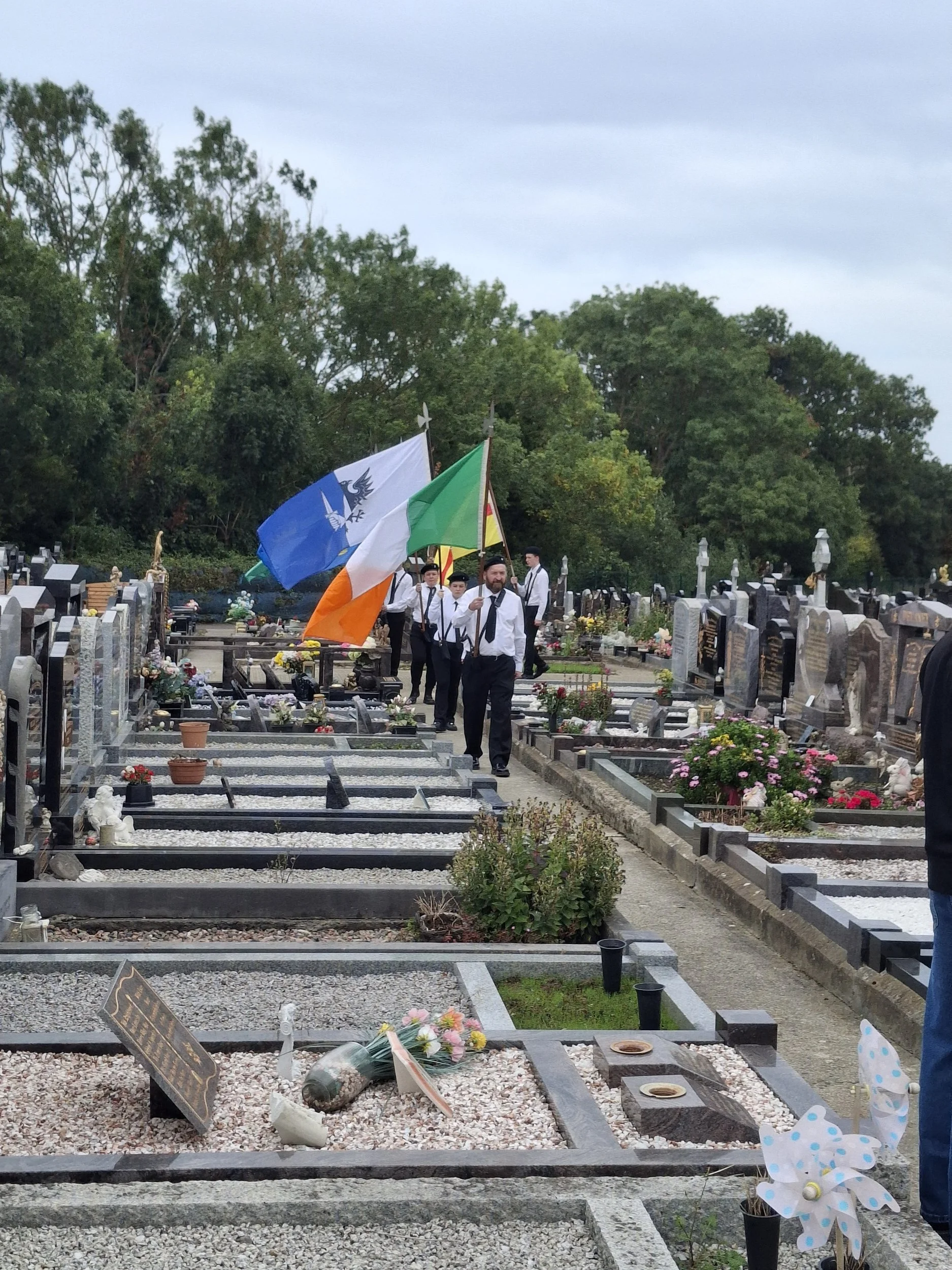
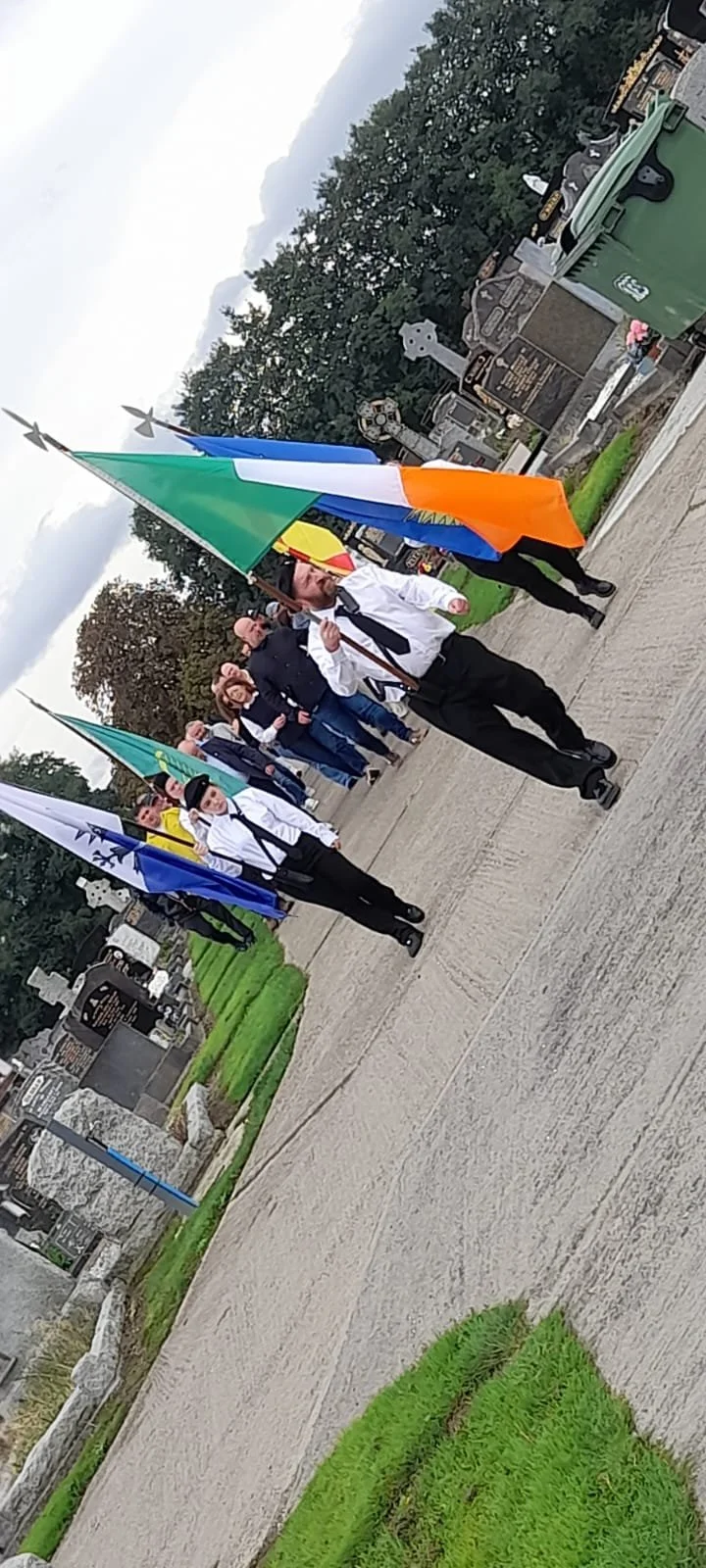
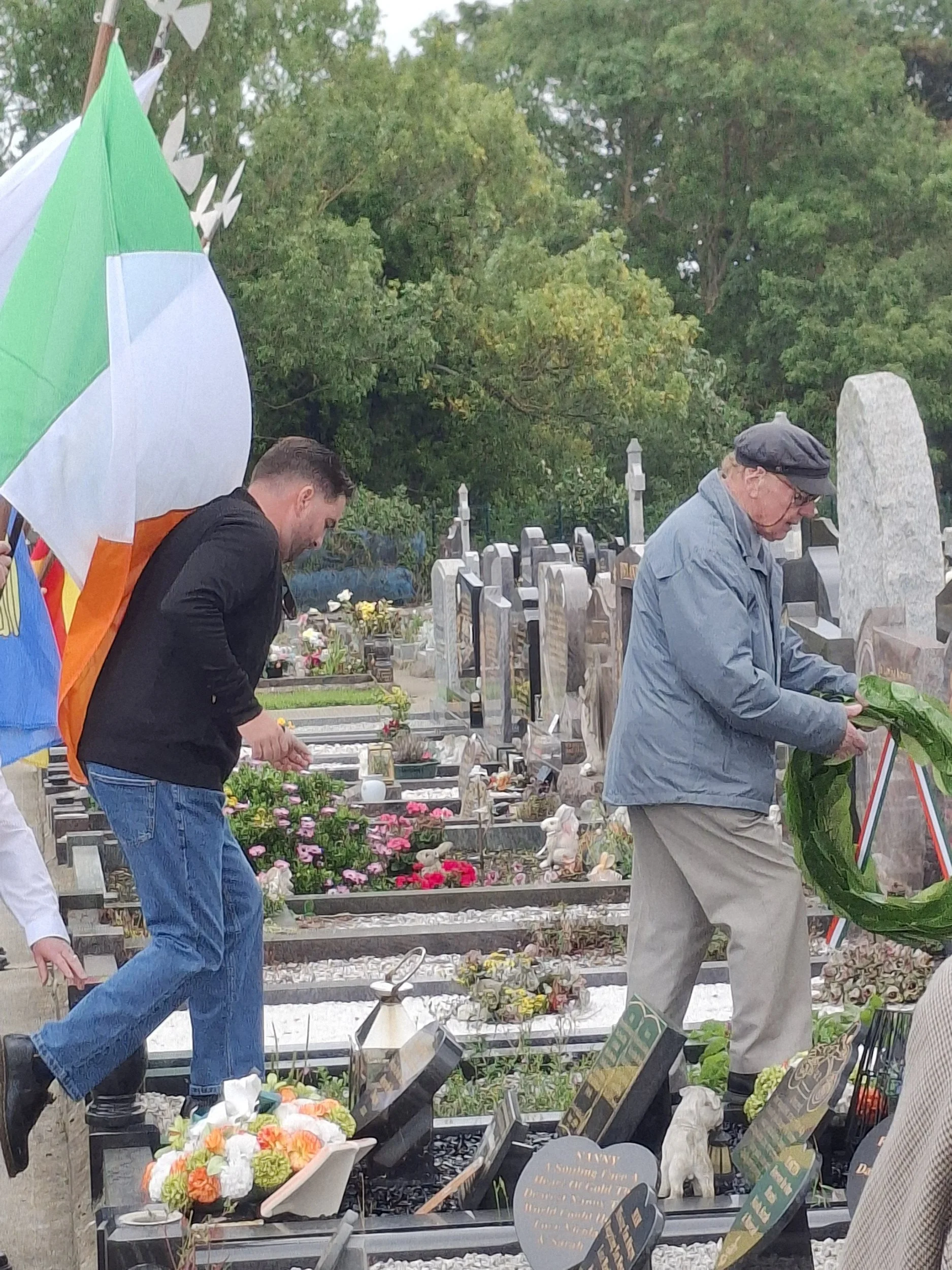
We were honoured to once again commemorate and remember our friend and comrade, IRA Volunteer Alan Ryan on this 14th year of his brutal murder at the hands of state backed criminals.
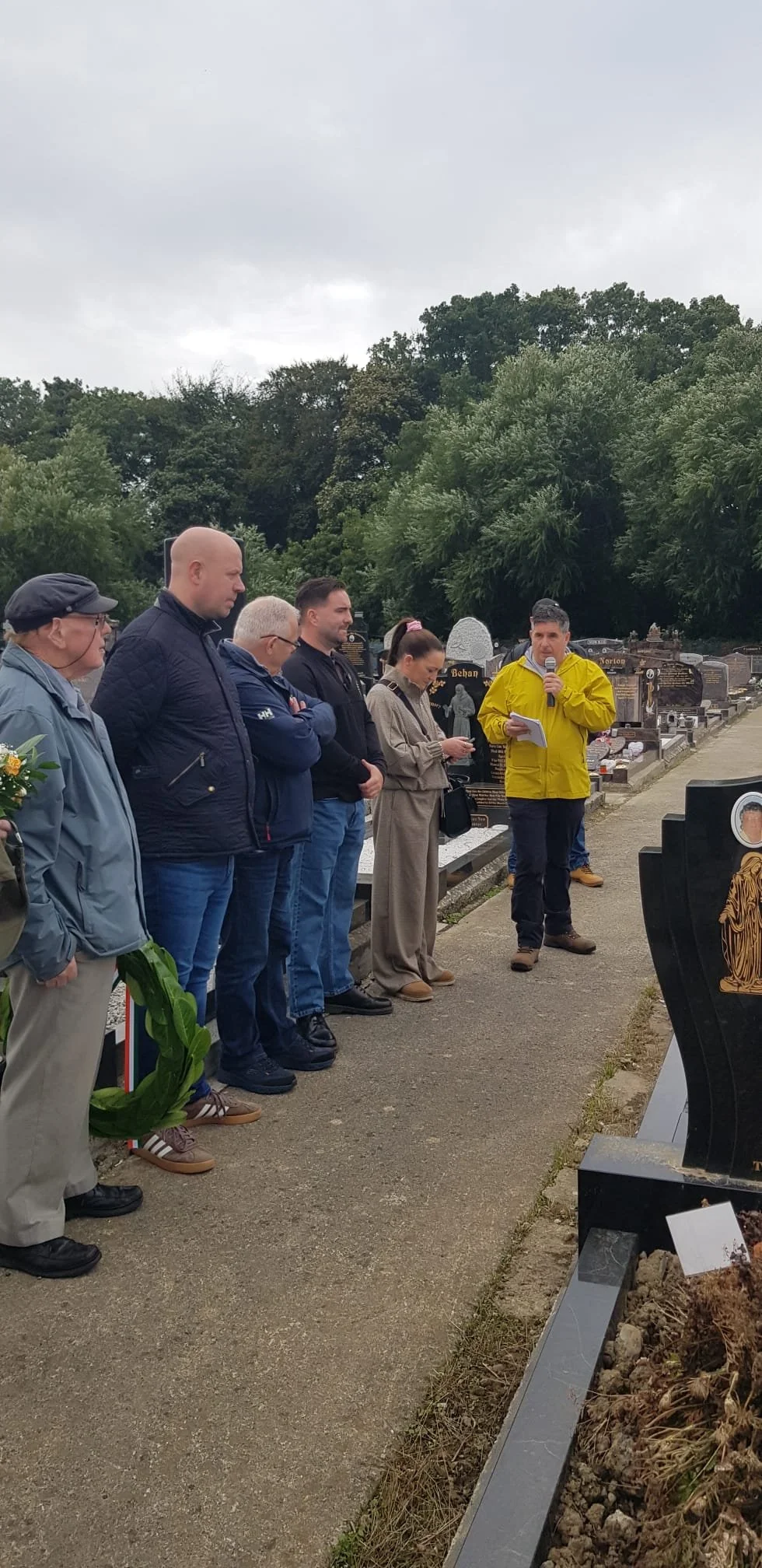
We offer our fullest respects to the Ryan family and would like to thank all those who attended.
The main oration below was read by John Murphy of Cork 32CSM.
The British Prime Minister, on his first official visit to the occupied Six Counties, lays bare his government’s policy on how their occupation will continue into the future. His devastating remarks concerning a border poll have completely upended the comfortable narrative that Irish unity is just around the corner.
His remarks also highlighted the extent of the ignorance that pervades amongst Good Friday Agreement advocates and supporters regarding the true nature of its political and constitutional provisions. And the deafening response from the Twenty Six County political establishment reeks of prior knowledge of Burnham’s pronouncement.
The continuing debacle surrounding the Stormont regime cannot be glossed over by the success of a music festival. Neither can it be claimed that shouting in an echo chamber for a border poll vindicates a decision to abandon that which so many paid a heavy sacrifice to achieve.
The contradictions in this so-called peace process will always come home to roost once the central issue of the Anglo-Irish conflict remains unresolved. The issue to be addressed is not equality, nor reconciliation, nor even peace, but national sovereignty.
It has always been the case from the republican standpoint that any differences within Irish society can be resolved within that society and that the ongoing presence of a third party with its own selfish interests makes any such resolution impossible to achieve.
Furthermore, to conclude an agreement which institutionalises those strategically fostered differences, and to concede sovereign authority to an external power whose selfish strategic interests rely on manipulating those differences, represents an egregious assault on the integrity of Irish national sovereignty.
And it is fitting we talk of this here today because this is precisely the circumstances that Alan and his comrades faced and acted on so decisively in the late nineties.
Back then we were told that a pan-nationalist consensus had been achieved. That both governments and nationalist Ireland would become active persuaders for Irish unification. This was the alternative to armed struggle. But as that process secured a ceasefire its true purpose and intent slowly began to emerge. It’s goal was the political and military defeat of Irish republicanism, and as that edifice was ever faithfully represented by the Provisional Movement it has been successful in that goal.
To those that highlighted the grievous errors in this strategy they were met with censorship, suspension and the whispers of derision. And now, almost thirty years later, that same tactic is being played out yet again.
A senior figure within Provisional Sinn Féin has recently called for yet another pan-nationalist approach. Armed with flagrant revisionism he has desperately tried to re-invent a spurious history surrounding the ceasefires and the political assurances republicans were given to support them.
That narrative now lies in tatters for every thinking person to observe. And to reinforce this revisionist message, like they did before, that same person has initiated a tight grip of censorship on their own members regarding criticism and opposition to this repeated failed strategy.
When members of Sinn Féin moved to defend the core issue of Irish sovereignty they were illegally suspended to frustrate democratic debate on how republicanism should move forward. It was this analysis that Alan and other comrades gave their allegiance to, and ultimately made the supreme sacrifice for.
What we are now witnessing is a resurgence of naked revisionism, a desperate attempt to fulfil the maxim that those who control the past own the future. Irish republicans must confront this insidious misinformation campaign with a potent narrative of our own.
In 2005, on the centenary of the founding of Sinn Féin, the 32 County Sovereignty Movement delivered a submission to that party, unanswered of course, seeking clarity and dialogue in four specific areas of interest:
1. Democratic Debate within Republicanism.
2. The Cause of Conflict in Ireland.
3. The Good Friday Agreement and Self Determination.
4. Irish Democracy and Irish Sovereignty.
The submission made the following observation:
“Histrionics makes for bad politics, history teaches us this. The engagement by republicans with all political interests to the conflict is essential in bringing about its resolution. Isolation of the separatist position is as detrimental as subordinating it to a ‘Home Rule’ ethos.
That being said history cannot be ignored, as one of the more indelible aspects of the Irish conflict is the failure of repeating history. All political movements must be accountable to their interpretation of their history through word and deed. What runs in tandem with one hundred years of Sinn Fein, and others, is one hundred years of occupation and both continue to exist. This fact in itself is an indictment of Irish republicanism to which perfidious Albion is not a sole defence.”
This prescient observation once again concerns Irish republicans today. There is no point in being correct and at the same time being irrelevant.
Stormont has proved incapable of being a mechanism of reconciliation nor a vehicle for constitutional change. Those who are locked into the constraints of the Good Friday Agreement are equally locked into the extreme limitations of the Stormont institution. Republicans cannot allow our analysis or strategy to fall into the same trap.
Our focus must remain firmly on the long-term political intentions of the British government. Local squabbling is precisely where both governments desire Six County politics to be enmeshed.
The strongest argument that Irish republicanism currently possesses is a democratic one. We must now focus our attentions and resources into developing this argument to its fullest potential. As it stands, Partition is seen as being democratically endorsed via the so-called principle of consent. Achieving that consent is the red herring which both governments would have all interested parties endlessly but fruitlessly pursue.
If the British establishment is thinking forward to shape future events so too must republican strategies to challenge them. Waving history at the British is as effective as using old medicines to treat modern ailments; if anything, British history has taught us this.
Westminster’s policies regarding Ireland were always viewed through the prism of its standing and influence on international affairs. Partition was one manifestation of how Westminster retained control of its interests in our country. A so called border poll is a mechanism of that process.
As the world teeters on political upheaval, and a new military industrial complex reasserts itself, Ireland’s strategic location is firmly in the sights of those driving this insidious direction.
It is no coincidence that the neutrality of this State is being relentlessly undermined with the full servile deference of its body politic. A military compliant 32 County Ireland within a Commonwealth type scenario may well be the true destination of the constitutional question. And those who cannot see beyond the electoral cycle will inevitably embrace this just as they embraced membership of the European Union.
The salient point for republicans is this; as domestic and international politics changes so too do British reasons for remaining in Ireland, and so will her tactics to consolidate those reasons. Long established republican positions require new thinking and strategies if those positions are to remain relevant. We cannot escape this reality.
We are in the 45th anniversary of the 1981 Hunger Strike. It is fast approaching the 30th anniversary of the Good Friday Agreement. Nationalist Ireland is bought and paid for. Where is Irish republicanism? We owe Alan and all our patriot dead a lot more than anniversaries.
Beir Bua!